
Blog
Comme des Garcons Redefining Individuality in Avant Garde Fashion

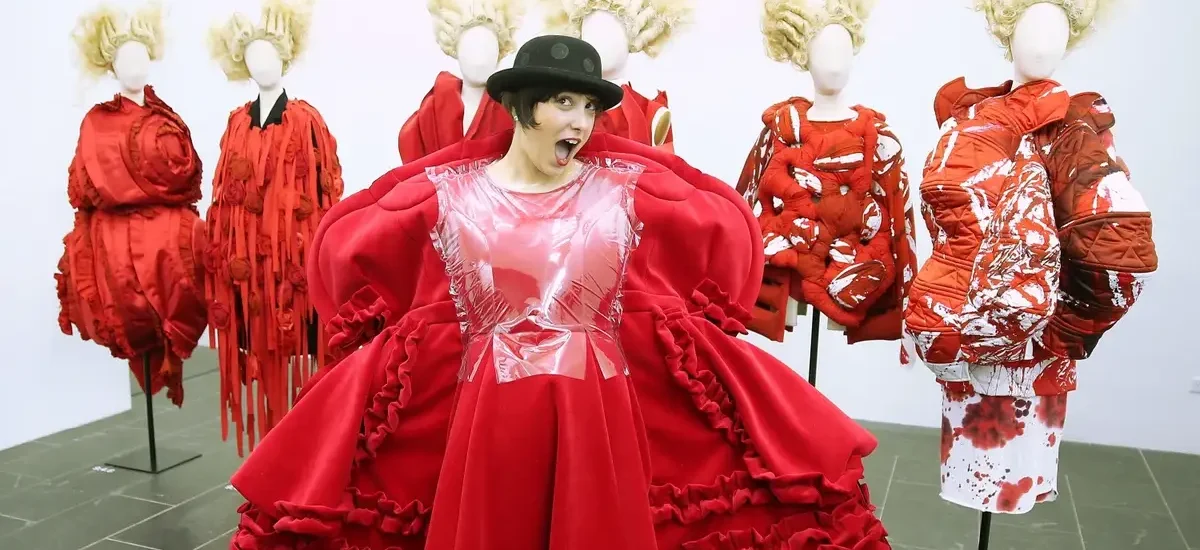
Comme des Garcons stands as one of the most influential avant garde fashion brands in the world recognized for challenging conventions and celebrating individuality. Founded in 1969 by visionary designer Rei Kawakubo, the brand has consistently redefined how fashion can express identity, creativity, and rebellion. Rather than conforming to mainstream aesthetics Comme des Garcons exists as a platform for self-definition, attracting those who resist uniformity and embrace originality. Over decades, the label has evolved into a cultural reference point shaping not only fashion but also philosophy, art and visual culture. Its impact lies in its refusal to follow trends, instead offering clothing as a medium for intellectual and personal expression.
Rei Kawakubo’s Vision: A Revolutionary Approach to Fashion
This is the primary creative outlet through which Rei Kawakubo communicates her radical vision to the world. From the outset her work rejected traditional definitions of beauty, structure and wearability. While fashion trends existed at the time Kawakubo’s designs acted as statements rather than seasonal responses redefining silhouettes and challenging how garments interact with the body. This uncompromising vision attracted a devoted following of individuals seeking freedom from conventional fashion standards. Her work encouraged authenticity allowing wearers to express their true selves without restriction.
Challenging Traditional Beauty Standards
Introduced in 2002, Play Comme des Garcons became the brand’s most recognizable and widely adopted line. Overseen by Adrian Joffe the label is best known for its iconic heart logo designed by artist Filip Pagowski. Play focuses on familiar silhouettes offering everyday essentials with a distinctive visual identity. Its simplicity and recognizability have helped introduce Comme des Garcons to a broader audience without compromising its core philosophy.
The 2010s: Artistry in the Digital Age
As social media transformed the fashion industry Comme des Garcons remained deliberately independent. The brand resisted digital trends avoiding traditional marketing strategies and maintaining a strong emphasis on design over visibility. In 2017, Rei Kawakubo received a retrospective exhibition at the Metropolitan Museum of Art’s Costume Institute becoming only the second living designer to receive this honor. That same year high profile cultural moments brought renewed attention to the brand connecting it with a new generation.
Beyond 2020: Continuing to Defy Convention
Despite evolving industry challenges, Comme des Garcons continues to operate according to its founding principles. Collections remain driven by conceptual exploration rather than market trends often addressing abstract, philosophical and sociopolitical themes. In an era dominated by fast fashion and instant visibility the brand’s commitment to thoughtful slow design remains both rebellious and influential. Rei Kawakubo’s continued involvement proves that visionary creativity transcends age.
Gender Fluidity and Inclusive Style
This played a major role in dissolving the rigid divide between menswear and womenswear. The brand introduced androgynous designs that challenged traditional gender boundaries allowing clothing to exist beyond predefined categories. This approach helped pave the way for more inclusive and contemporary fashion influencing designers and consumers alike to view style as fluid adaptable and personal rather than prescriptive.
Imperfection as a Design Philosophy
A defining element of this creative identity is its celebration of imperfect beauty. Jagged lines, unfinished details, sculptural distortions and unexpected forms appear frequently throughout Kawakubo’s work. This philosophy reinforces the belief that imperfection holds intrinsic value. By highlighting irregularity the brand encourages individuals to embrace their own distinct traits and redefine beauty on their own terms.
The Rise of Comme des Garcons
While this gained attention early in its history widespread recognition arrived in the late 1970s. The brand gradually expanded into a global fashion powerhouse, embraced by creatives, artists and cultural icons around the world. Over time multiple sub-labels were introduced, each maintaining the brand’s core philosophy while exploring different expressions of design and accessibility.
The First Comme des Garcons Runway Show
Comme des Garcons made its Paris Fashion Week debut in 1981, marking a pivotal moment in fashion history. The collection, dominated by black and unconventional silhouettes was initially met with criticism and controversy. Despite negative early reception, this show later came to be recognized as groundbreaking challenging Western fashion norms and redefining the possibilities of runway presentation.
Comme des Garcons Shirt: Innovation Through Structure
Launched in 1988, Comme des Garcons Shirt focuses on reimagining classic shirting through experimental design. While rooted in traditional button-up forms, the line challenges proportion, structure and shape through unexpected details, layered elements and bold graphics. The collection has expanded beyond shirts to include complementary garments and accessories maintaining a cohesive design language that pushes creative boundaries.
Play Comme des Garcons: Iconic and Accessible Design
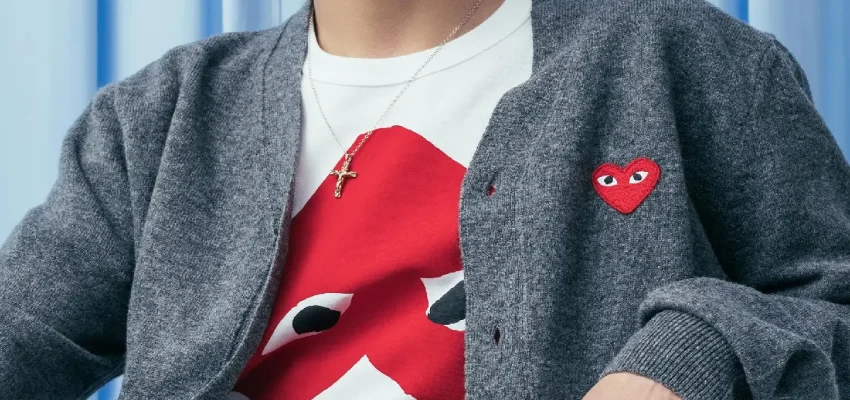
Introduced in 2002, Play Comme des Garcons became the brand’s most recognizable and widely adopted line. Overseen by Adrian Joffe the label is best known for its iconic heart logo designed by artist Filip Pagowski. Play focuses on familiar silhouettes offering everyday essentials with a distinctive visual identity. Its simplicity and recognizability have helped introduce Comme des Garcons to a broader audience without compromising its core philosophy.
The 2010s: Artistry in the Digital Age
As social media transformed the fashion industry Comme des Garcons remained deliberately independent. The brand resisted digital trends avoiding traditional marketing strategies and maintaining a strong emphasis on design over visibility. In 2017, Rei Kawakubo received a retrospective exhibition at the Metropolitan Museum of Art’s Costume Institute becoming only the second living designer to receive this honor. That same year high profile cultural moments brought renewed attention to the brand connecting it with a new generation.
Beyond 2020: Continuing to Defy Convention
Despite evolving industry challenges, Comme des Garcons continues to operate according to its founding principles. Collections remain driven by conceptual exploration rather than market trends often addressing abstract, philosophical and sociopolitical themes. In an era dominated by fast fashion and instant visibility the brand’s commitment to thoughtful slow design remains both rebellious and influential. Rei Kawakubo’s continued involvement proves that visionary creativity transcends age.
The Enduring Legacy of Comme des Garcons
Comme des Garcons is not defined by trends but by inquiry. Through deconstruction and reinvention the brand has reshaped how fashion can communicate meaning challenge norms and inspire individuality. Rei Kawakubo’s work has created a world where beauty extends beyond symmetry identity transcends categories and success is measured by cultural influence rather than commercial applause. As fashion continues to evolve, Comme des Garcons remains one of its most critical and influential voices, shaping not only the past but the future of fashion itself.